

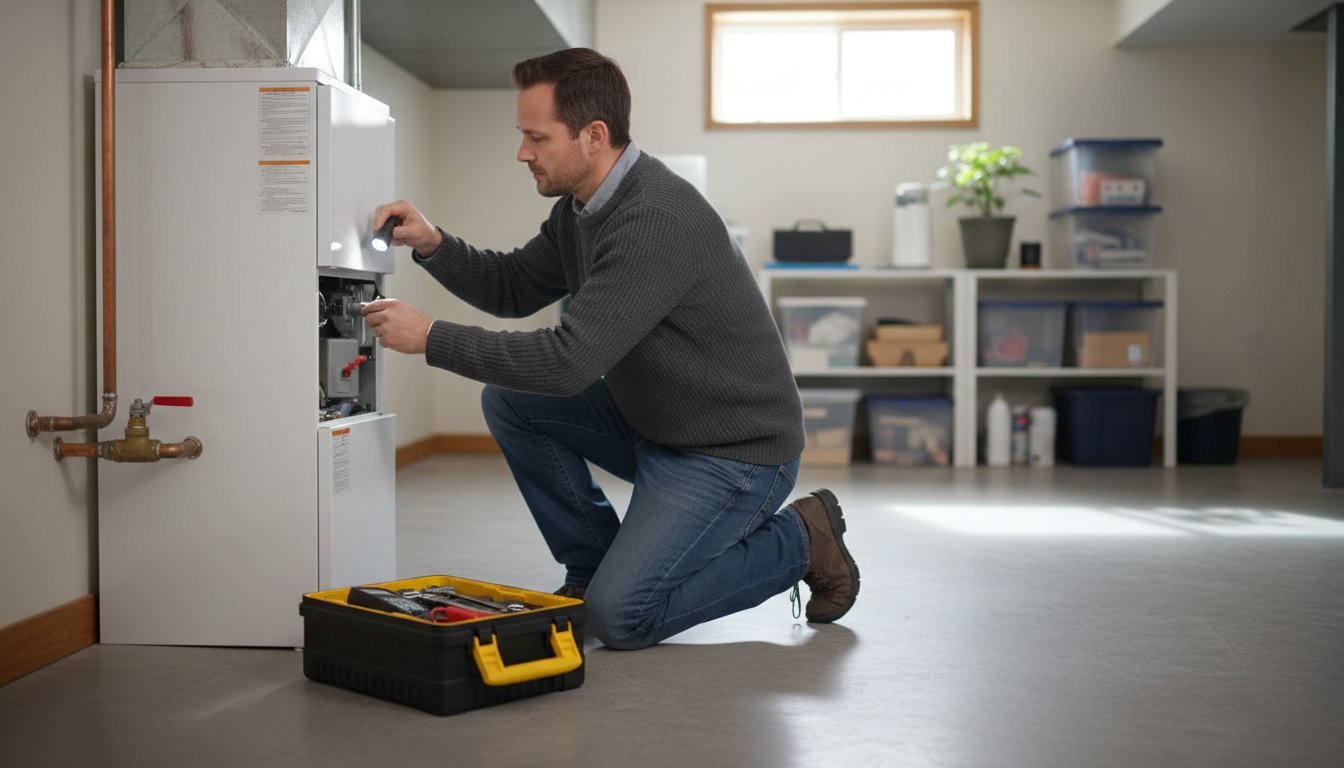
Furnace Repair Near Me: The North Metro & Twin Cities MN Homeowner’s Guide (2026
On a Tuesday night in mid-January, the temperature in the North Metro can easily drop to -20 degrees within a matter of hours. You wake up at 3:00 AM to a chilling silence and realize your vents are blowing cold air right as the thermostat hits 58 degrees. It's in these high-stakes moments that most homeowners start a frantic search for furnace repair near me, hoping for a fast solution before the pipes freeze. We understand the anxiety that comes with a sudden heating failure, especially when you're worried about expensive emergency fees or complex jargon you don't understand.
This guide is designed to give you peace of mind by showing you how to identify furnace warning signs and troubleshoot basic issues safely on your own. You'll learn how to evaluate if a repair is the right financial move or if it's time to consider a more efficient replacement for your Twin Cities home. We've outlined everything you need to know to find a reliable, family-owned specialist who can restore your comfort quickly. From checking your pilot light to understanding professional diagnostic reports, you're about to become an expert on your own home heating system.
Key Takeaways
Understand why the harsh Minnesota climate puts extra strain on your heating system and how to prevent mid-winter breakdowns.
Learn to identify the seven critical warning signs, including unusual noises and odors, that signal your system needs professional attention.
Master simple DIY troubleshooting steps like the "Thermostat First" rule while knowing exactly when to prioritize safety over savings.
Discover how to find the most reliable furnace repair near me by looking for NATE-certified technicians and proper local licensing in the Twin Cities.
Gain peace of mind by learning what to expect from a "service-first" provider with over 40 years of experience in the North Metro area.
Understanding Furnace Failure in the North Metro Climate
Furnace repair is the professional diagnosis and restoration of a home heating system. When you search for furnace repair near me during a Minnesota January, you aren't just looking for comfort; you're looking for a safety solution. Our regional climate demands significantly more from a heating system than almost any other part of the country. While a furnace in a milder state might run for a few hours a day, a North Metro unit often operates for 18 to 22 hours daily during peak winter months.
Consistent heating plays a vital role in protecting your home's infrastructure. In Anoka County, a furnace failure during a polar vortex can lead to frozen pipes in as little as 6 to 8 hours. When indoor temperatures drop below 50 degrees, the risk of water lines bursting in exterior walls increases by 40%. This makes a reliable heating system the first line of defense against catastrophic water damage.
Extreme cold cycles accelerate wear and tear on every mechanical component. When temperatures drop to -10°F or lower, the constant expansion and contraction of metal parts can lead to stress fractures. This cycle of intense heat followed by rapid cooling is a primary cause of premature equipment failure in the Twin Cities.
The Anatomy of a Minnesota Heating System
Understanding Furnace Failure starts with the three core components: the burners, the heat exchanger, and the blower motor. The burners ignite the fuel, the heat exchanger transfers that heat to your air, and the blower motor pushes that warm air through your vents. In the Twin Cities, AFUE (Annual Fuel Utilization Efficiency) ratings are critical. We typically see 95% to 97% AFUE systems because they waste less than 5% of the fuel they consume. Most local homes use forced air, though older neighborhoods often feature boilers or modern heat pumps with electric backups.
Common Winter Stressors for MN Furnaces
Heavy snow presents a unique challenge for homeowners in East Bethel and surrounding areas. Drifting snow can block high-efficiency intake and exhaust vents, which triggers an automatic safety shutdown. Beyond snow, the shift between high summer humidity and bone-dry winter air affects sensitive flame sensors. This dryness often leads to "short-cycling," where the furnace turns on and off rapidly. This happens because the system struggles to maintain a steady temperature against the 50-degree difference between your living room and the outdoors. If you notice these patterns, searching for furnace repair near me can help identify if a sensor or a more complex mechanical part is failing.
7 Warning Signs Your Furnace Needs Immediate Professional Attention
Identifying a failing heating system early saves Twin Cities homeowners from a mid-winter emergency. If you find yourself searching for furnace repair near me, it's likely because your unit is already communicating through sound, smell, or performance gaps. Mechanical issues rarely fix themselves; they simply get more expensive the longer you wait. Recognizing these seven red flags can be the difference between a simple part replacement and a full system overhaul.
Unusual Noises: Banging sounds often indicate delayed ignition, while screeching usually points to a failing blower motor belt.
Strange Odors: A dusty smell during the first frost of 2026 is normal, but a metallic, ozone, or sulfur scent requires an immediate shutdown.
Inconsistent Heat: If your Shoreview living room is 72 degrees while the bedroom sits at 64, your blower or ductwork is struggling to distribute air.
Yellow Burner Flames: A healthy furnace flame is crisp blue. A yellow or flickering flame signals incomplete combustion and potential carbon monoxide production.
Energy Bill Spikes: A 15% to 25% increase in North Metro utility costs without a corresponding drop in temperature suggests your system's efficiency has plummeted.
Visual and Auditory Red Flags
Homeowners should safely check the furnace burner through the viewing window once a month. If the flame isn't steady and blue, it's a sign of a dirty burner or a cracked heat exchanger. When homeowners in the North Metro search for furnace repair near me, they are often reacting to "short-cycling," which is when the unit turns on and off every 3 to 5 minutes. This rapid cycling puts immense strain on the motor and wastes fuel. A whistling sound is another red flag, often indicating that your ductwork is restricted or your filter is dangerously clogged. Understanding How to Choose the Best Furnace Repairinvolves recognizing these early warnings before they lead to a total system breakdown.
The "Invisible" Signs: IAQ and Health
Poor indoor air quality (IAQ) is a subtle indicator of furnace struggle. If you notice a 30% increase in dust on your furniture or family members report dry, itchy skin, your system isn't filtering or humidifying properly. These issues directly impact your respiratory comfort, especially during the peak of a Minnesota winter when windows remain sealed. Carbon monoxide is a silent threat, so you must place detectors within 10 feet of every sleeping area to catch leaks that your furnace might be producing. If your sensors go off or your furnace is acting up, don't hesitate to contact a trusted local technician for a safety inspection
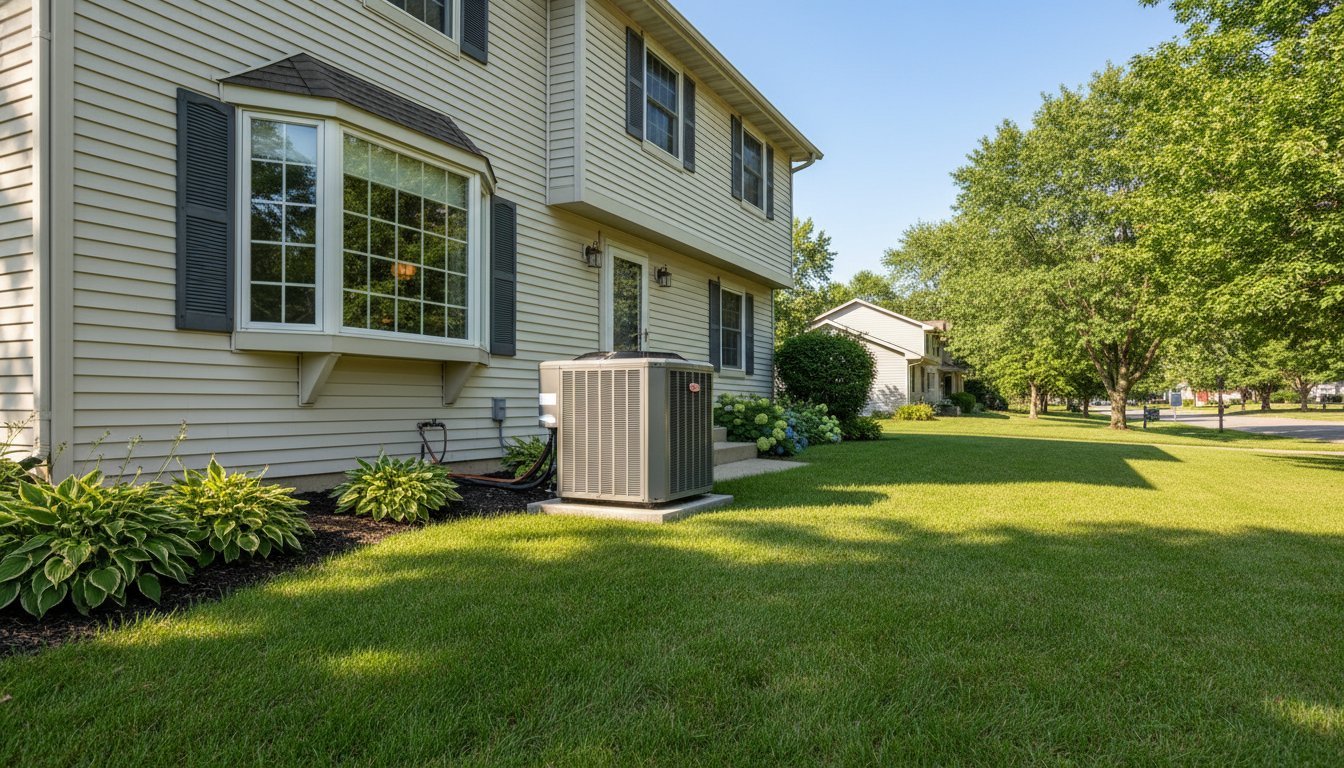
High Efficiency Air Conditioner Guide for Andover & North Metro MN
magine it's a 90-degree afternoon in Andover this July, and while the sun is blazing, your living room feels like a damp sauna. You check the thermostat, but the air feels heavy and your electric meter is spinning fast enough to cause a breeze of its own. Many North Metro homeowners find themselves in this exact spot, dreading the next utility bill while struggling to stay dry indoors. Investing in a high efficiency air conditioner changes that story by tackling both heat and moisture at the source.
We understand that Minnesota summers are short, but they're incredibly intense when the humidity hits 80 percent. It's frustrating to pay premium prices for cooling that leaves your home feeling sticky and uncomfortable. This guide will show you how modern cooling technology can slash your monthly energy costs and provide superior dehumidification for total home comfort. We'll break down the new SEER2 ratings and help you choose a reliable system built to last for the next 15 years.
Key Takeaways
Understand the transition to SEER2 ratings and how these modern standards ensure your home achieves maximum cooling performance.
Discover how a high efficiency air conditioner reduces monthly energy consumption and enhances indoor air quality during peak North Metro summers.
Learn why specialized cooling technology is essential for managing Minnesota’s unique humidity and preventing the "sticky" feeling in your home.
Calculate the long-term ROI of your upgrade and identify the "break-even" point where your utility savings cover the installation cost.
Find out why professional sizing through a Manual J calculation is more critical for your comfort than the efficiency rating alone.
What Is a High Efficiency Air Conditioner? Understanding SEER2
A high efficiency air conditioner is designed to provide maximum cooling while consuming the least amount of electricity possible. For homeowners in the North Metro, these systems are essential for managing humid Minnesota summers without seeing a massive spike in energy costs. These units rely on advanced components like high-performance coils and sophisticated compressors to move heat out of your home more effectively than standard models from a decade ago. Modern cooling technology focuses on precision, ensuring your home stays comfortable while reducing your overall carbon footprint.
The industry measures this efficiency using the Seasonal Energy Efficiency Ratio (SEER), which underwent a significant regulatory update on January 1, 2023. The federal government now requires all new residential air conditioning systems in Minnesota to meet a minimum of 13.4 SEER2. This change ensures that every new installation provides a baseline level of energy conservation that protects both your wallet and the local power grid. When you choose a system with a higher rating, you're investing in a unit that uses less fuel to achieve the same cooling results.
Single-stage compressors: These operate at 100% capacity or they are completely off, which can lead to noticeable temperature swings.
Two-stage compressors: These units have a high and low setting, allowing them to run at roughly 70% capacity on milder Andover days to save energy.
Variable-speed compressors: These systems adjust their output in tiny increments to match your home's exact cooling needs in real time.
SEER vs. SEER2: What Homeowners Need to Know
The shift to SEER2 was necessary because the original SEER testing didn't account for the external static pressure found in real-world ductwork. In North Metro homes, restrictive ducts or older ventilation systems often force an AC unit to work harder than it does in a laboratory setting. SEER2 ratings use a more rigorous testing procedure that reflects these actual operating conditions, giving you a more honest look at how a unit will perform in your specific house. SEER2 is the total cooling output divided by total energy input. This updated metric helps you make an informed choice when comparing different brands and models for your next upgrade.
The Role of Variable-Speed Technology
Variable-speed technology is the defining feature of a top-tier high efficiency air conditioner. Think of a standard AC like a light switch that's either on or off; a variable-speed motor works like a dimmer switch. It can slow down to 40% capacity or ramp up to 100% depending on the outdoor temperature. These longer, lower-speed cycles are much better at removing humidity, which is a major comfort factor in the Twin Cities. Because the system rarely stops and starts, it experiences less wear and tear while maintaining a consistent temperature within a single degree of your thermostat setting. This technology represents the gold standard for modern HVAC performance and long-term reliability.
Benefits of Upgrading Your Cooling System in the North Metro
Upgrading to a high efficiency air conditioner offers immediate relief for your wallet and your home's comfort. Many North Metro homes still rely on units installed over 15 years ago. These older systems struggle during 90 degree Minnesota summers, leading to spiked utility bills and frequent repairs. A modern upgrade changes that dynamic immediately. It provides a steady, reliable cooling experience that older technology simply cannot match.
In cities like Ramsey and Blaine, a new HVAC system is a major selling point. Local real estate trends show that energy-efficient upgrades increase property appeal and can speed up a sale. Buyers want to know they won't face a mechanical failure during their first summer in a new home. Beyond resale value, you'll notice a massive drop in noise. Old "clunker" units often reach 80 decibels; however, new high-efficiency models frequently operate as low as 55 decibels. That's the difference between a loud vacuum cleaner and a quiet conversation in your backyard.
Lower Energy Bills and Environmental Impact
The jump from a SEER 10 unit to a SEER 18 system can reduce energy consumption by approximately 44 percent according to Department of Energy data. This translates to significant savings over a single cooling season. You're also doing your part for the environment. Smarter energy use directly lowers your household carbon footprint by reducing the demand on the local power grid. When you pair a high efficiency air conditioner with a smart thermostat, the savings grow. These devices learn your schedule and adjust temperatures automatically, ensuring you don't waste power while you're at work or sleeping.
Superior Reliability and System Longevity
Modern systems are built for the long haul. High-efficiency components often feature variable-speed technology. This means the system runs at lower speeds for longer periods instead of constantly turning on and off at full blast. This reduction in "hard starts" prevents significant wear and tear on the compressor, which is the most expensive part of your unit. You'll enjoy a more consistent temperature without the sudden blasts of cold air common in older models.
Extended Protection: Most top-tier manufacturers now provide a 10-year parts warranty as a standard feature.
Enhanced Air Quality: Variable-speed motors allow for continuous air filtration, which removes more dust and allergens from your living space.
Local Expertise: You can request a free estimate to see which high-performance system fits your specific North Metro home layout.
This reliability provides genuine peace of mind. You won't have to worry about the system failing during a record-breaking July heatwave. By choosing a durable, expert-installed unit, you're investing in a decade or more of worry-free cooling and superior indoor air quality for your family
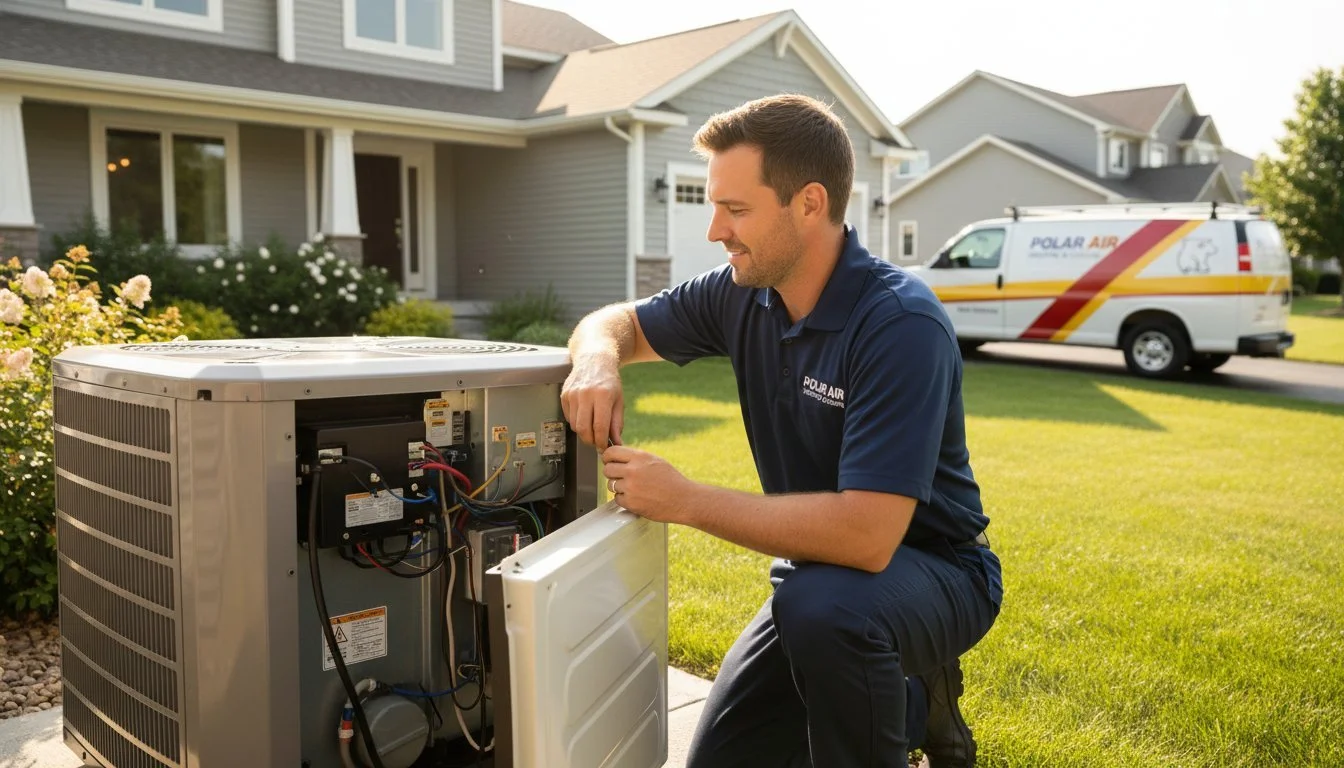
Same Day Air Conditioner Service in Andover, MN: Fast, Local Relief
Immediate Same Day Air Conditioner Service in Andover, MN
Since 1984, C&M Heating and Air has served as a trusted North Metro fixture. We understand that a broken cooling system isn't just an inconvenience during a humid Minnesota July; it's an emergency. Our same day air conditioner service Andover is designed specifically for total system failures where indoor temperatures climb rapidly. We prioritize Anoka County residents by dispatching technicians who live and work in the community. This local proximity means we spend less time in traffic on Highway 10 and more time at your doorstep. Our 40 years of experience allow us to diagnose issues quickly, whether it's a blown capacitor or a failed compressor.
Even during peak-season heatwaves, we maintain a robust fleet of experienced professionals to ensure quality isn't sacrificed for speed. We manage high demand through a proprietary dispatching system that keeps our North Metro teams focused on their own backyards. This efficiency allows us to provide the same day air conditioner service Andover families need to stay safe and comfortable.
The Urgency of Cooling in a Minnesota Summer
High heat poses genuine health risks, especially for seniors and pets in Andover neighborhoods. When the thermometer hits 90 degrees, indoor environments can become dangerous within a matter of hours. Beyond physical health, the extreme humidity levels common in the Twin Cities can trigger rapid mold growth if air circulation stops. Understanding How Air Conditioning Works helps homeowners realize that these systems don't just cool; they act as primary dehumidifiers. Without this function, moisture builds up in drywall and carpets, leading to costly property damage. Our same-day service is a firm commitment to restoring your home's comfort within 24 hours of your initial call.
Local Accountability vs. National Franchises
Choosing a family-owned provider offers a level of accountability that national franchises can't match. When you call us, you aren't reaching a distant call center in another time zone. You're talking to a local dispatcher who knows the North Metro area from Ham Lake to Ramsey. Our technicians are your neighbors, and they're invested in the well-being of the Andover community. This direct connection allows for faster estimates and immediate access to decision-makers. You don't have to wait for corporate approval to get a fair price or a specialized part. We provide expert solutions with a "service-first" persona because we are a part of the local geography we serve.
Our Rapid Response Protocol: How We Guarantee Fast Andover Cooling Help
When your home hits 85 degrees inside, you need more than a promise; you need a proven process. Our team developed a five-step protocol to ensure every request for same day air conditioner service Andover receives the urgent attention it deserves. It begins the moment you call. Our office staff performs an immediate triage to identify life-safety risks or critical emergencies, such as households with infants or seniors during a North Metro heatwave. We don't just put you on a list; we prioritize your family's safety.
Once we've prioritized your call, we dispatch the nearest technician from our Twin Cities fleet. These experts arrive in a "warehouse on wheels" designed to resolve 90% of cooling issues during the first visit. Upon arrival, we use advanced digital sensors to pinpoint the exact failure point. This diagnostic phase often reveals common causes for emergency AC repair like failed capacitors or restricted airflow. Before any tools turn, we present our transparent "C&M Special" pricing so you know the exact cost. We finish by performing the repair and testing the entire system for long-term reliability.
The "Warehouse on Wheels" Advantage
Waiting for a part to arrive from a distributor is frustrating when you're sweating in your own living room. To prevent this, our trucks carry a deep inventory of universal and brand-specific components. This includes capacitors, contactors, and fan motors for industry leaders like Rheem, Carrier, and Lennox. By maintaining this mobile inventory, we eliminate the need for return trips that delay your comfort. It's a key reason why we're a trusted local repair partner for homeowners who can't afford to wait.
Expert Technicians Ready for Any System
Our same day air conditioner service Andover team undergoes 40+ hours of annual technical training to stay current on evolving HVAC technology. Whether you have a traditional central air unit or a modern ductless mini-split system, our technicians have the specific tools to fix it. Every member of our field crew holds EPA certification. This is a legal requirement for handling refrigerants safely on-site, ensuring your repair meets federal environmental standards while restoring your home's cooling capacity. We treat your home with the respect it deserves, leaving the workspace cleaner than we found it.
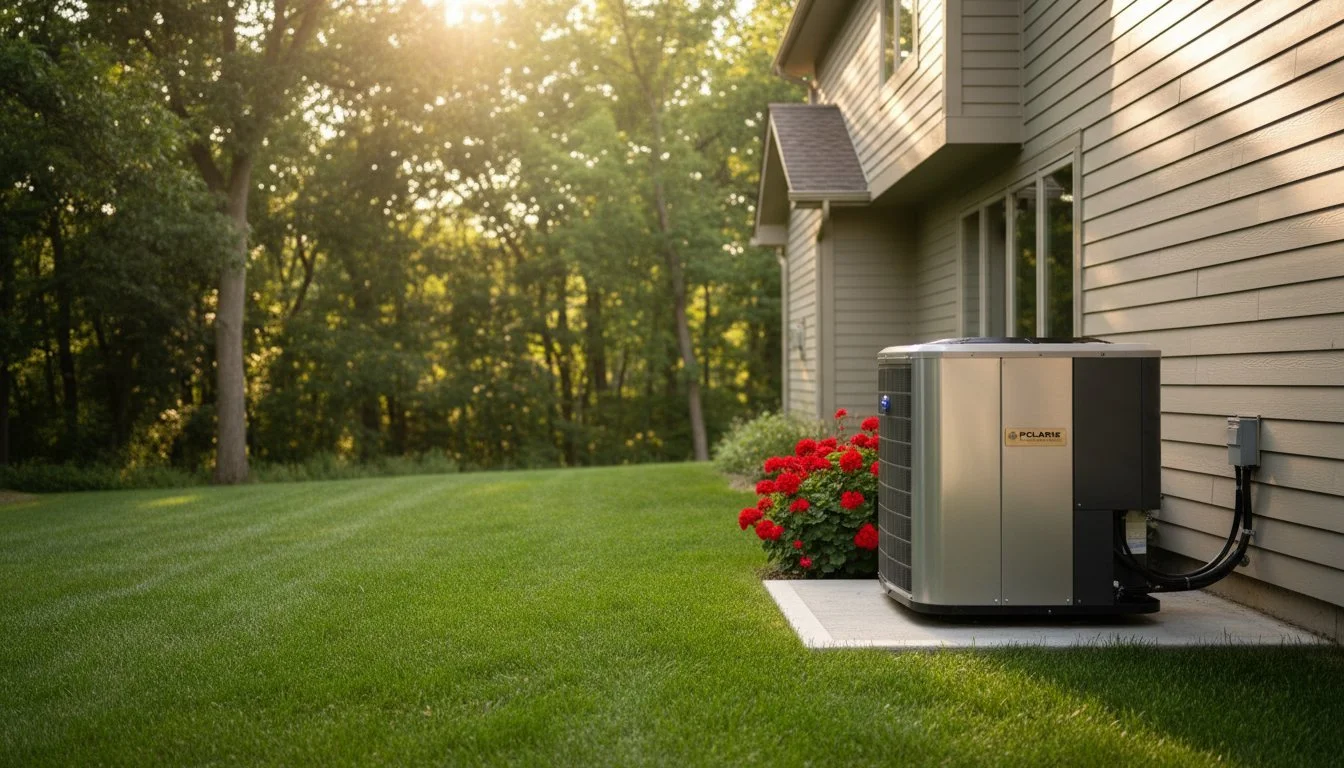
What is SEER Rating? A Homeowner’s Guide for the Twin Cities & North Metro
Last July, a homeowner in Anoka watched their electric bill climb 22% during a single humid week, even while keeping the thermostat at a steady 72 degrees. If you're staring at your own utility statement and wondering why your cooling costs are spiking, you're likely asking: what is seer rating and why does it matter for my home? This number is more than just industry jargon. It's the key to understanding how much you pay to stay cool when the Minnesota humidity hits its peak.
It's frustrating to sort through technical terms like SEER and the new SEER2 standards, especially when you just want a comfortable house without overpaying for efficiency you don't need. Our team at C&M Heating and Air believes in providing clear, expert solutions for our neighbors in the Twin Cities and North Metro. We'll show you exactly how these ratings impact your monthly bills and your indoor comfort. You'll get a clear look at the specific differences between standard and high-efficiency units so you can make a confident choice for your specific city and budget.
Key Takeaways
Learn exactly what is seer ratingand how this "miles-per-gallon" analogy helps you predict the monthly energy costs of your new cooling system.
Understand the shift to SEER2 standards and why these updated testing protocols offer a more realistic look at how units perform in Twin Cities homes.
Determine if high-efficiency AC is worth the investment for Minnesota’s summers with a clear ROI breakdown for homeowners in Blaine and Coon Rapids.
Explore our "Good, Better, Best" framework to identify the efficiency sweet spot that balances upfront costs with long-term comfort for your North Metro property.
Discover why expert installation from a trusted local team is the single most important factor in reaching your equipment's maximum rated efficiency.
Understanding SEER: The "Miles-Per-Gallon" of Your Air Conditioner
Understanding what is seer rating helps you make an informed decision when your old AC unit starts to fail during a heatwave. SEER stands for Seasonal Energy Efficiency Ratio. It serves as the primary metric for measuring how much cooling a system provides per unit of electricity consumed. Think of it as the "miles-per-gallon" rating for your home cooling system. Just as a fuel-efficient car travels more miles on a single gallon of gas, a high-SEER air conditioner provides more cooling for every kilowatt-hour of electricity it pulls from the grid.
For homeowners in Andover and Ramsey, this efficiency is vital when July temperatures hit 90 degrees with high humidity levels. The Department of Energy uses these ratings to set national standards, ensuring that modern units meet minimum performance levels to reduce energy waste. Since January 1, 2023, new federal regulations require residential systems in northern states to meet a minimum of 13.4 SEER2, which is the updated testing standard for modern equipment. Choosing a unit that exceeds these minimums can lead to substantial long-term savings on your energy costs.
The Basic Calculation: How SEER is Measured
The Seasonal Energy Efficiency Ratio (SEER) is calculated by taking the total cooling output of a typical cooling season and dividing it by the total electric energy input during that same period. The "seasonal" part of the name is what makes this metric accurate for our varied Minnesota weather. It doesn't just measure how the unit performs on the hottest day of the year; it accounts for the fluctuating temperatures we experience from May through September. When you invest in a system with a higher rating, you're choosing a machine that manages these temperature swings more effectively. This efficiency translates directly into lower monthly utility bills, as the system doesn't have to work as hard to maintain your desired indoor temperature.
Why Efficiency Metrics Matter for Your Home
Selecting an efficient unit impacts more than just your wallet. It significantly reduces your home's carbon footprint and overall environmental impact. On a community level, high-efficiency cooling reduces the collective strain on the local Twin Cities power grid during peak demand periods. This helps maintain stability for everyone in the North Metro during extreme weather events. Beyond the technical specs, high SEER ratings are often linked to advanced technology like variable-speed compressors. These components provide superior indoor dehumidification. By removing more moisture from the air, these units make your home feel comfortable at a slightly higher temperature, further reducing the need to run the AC constantly.
SEER vs. SEER2: Navigating the New 2026 Efficiency Standards
The HVAC industry underwent a major shift on January 1, 2023, when the Department of Energy (DOE) officially introduced SEER2. This change wasn't just a simple rebranding. It was a complete overhaul of how we measure cooling efficiency. While you might still be learning what is seer rating, the industry has already moved to the more rigorous "M" testing protocol. This new method increases the external static pressure during testing from 0.1 inches to 0.5 inches of water column. This shift is vital because it mimics the actual resistance your ductwork provides in a typical North Metro home. Old SEER ratings often overestimated performance because they assumed ductwork was perfectly clear and oversized, which is rarely the case in older Twin Cities neighborhoods.
The DOE Mandate and Your New AC Options
Federal regulations now dictate exactly what our team can install in Minnesota homes. You can no longer buy the low-efficiency 10 or 12 SEER models that were standard a decade ago. Currently, the minimum standard for northern states is 13.4 SEER2, which is roughly a 14 SEER. These rules ensure that every new system installed provides a baseline level of energy conservation that helps lower regional grid strain during humid Minnesota summers.
Beyond simple efficiency numbers, the industry is also managing the mandatory phase-out of R-410A refrigerant. By 2025 and moving into 2026, manufacturers are transitioning to A2L refrigerants, which have a much lower impact on the environment. These new units are designed specifically for SEER2 compliance and updated safety standards. If you're looking at current 2026 availability, you'll find that most inventory in the North Metro already meets these high bars. Our team provides free estimates to help you identify which modern, compliant models best suit your home's layout and your family's comfort needs.
Converting Old SEER to New SEER2
SEER2 ratings are typically lower than SEER for the same unit because the testing process is significantly more difficult for the equipment to pass.
To estimate how an older unit compares to modern standards, use the 1.05 conversion factor. You can divide a standard SEER rating by 1.05 to find its SEER2 equivalent. For example, a unit previously labeled as 15 SEER is now roughly equivalent to a 14.3 SEER2 model. When you're shopping for a new system, looking for the SEER2 label is the only way to ensure 2026 compliance. This ensures you're investing in technology that meets the latest federal benchmarks for energy reduction and long-term reliability. Understanding what is seer rating in this new context helps you make a choice that balances upfront costs with years of lower utility bills.
Champlin Furnace Repair: The Complete Homeowner’s Diagnostic Checklist
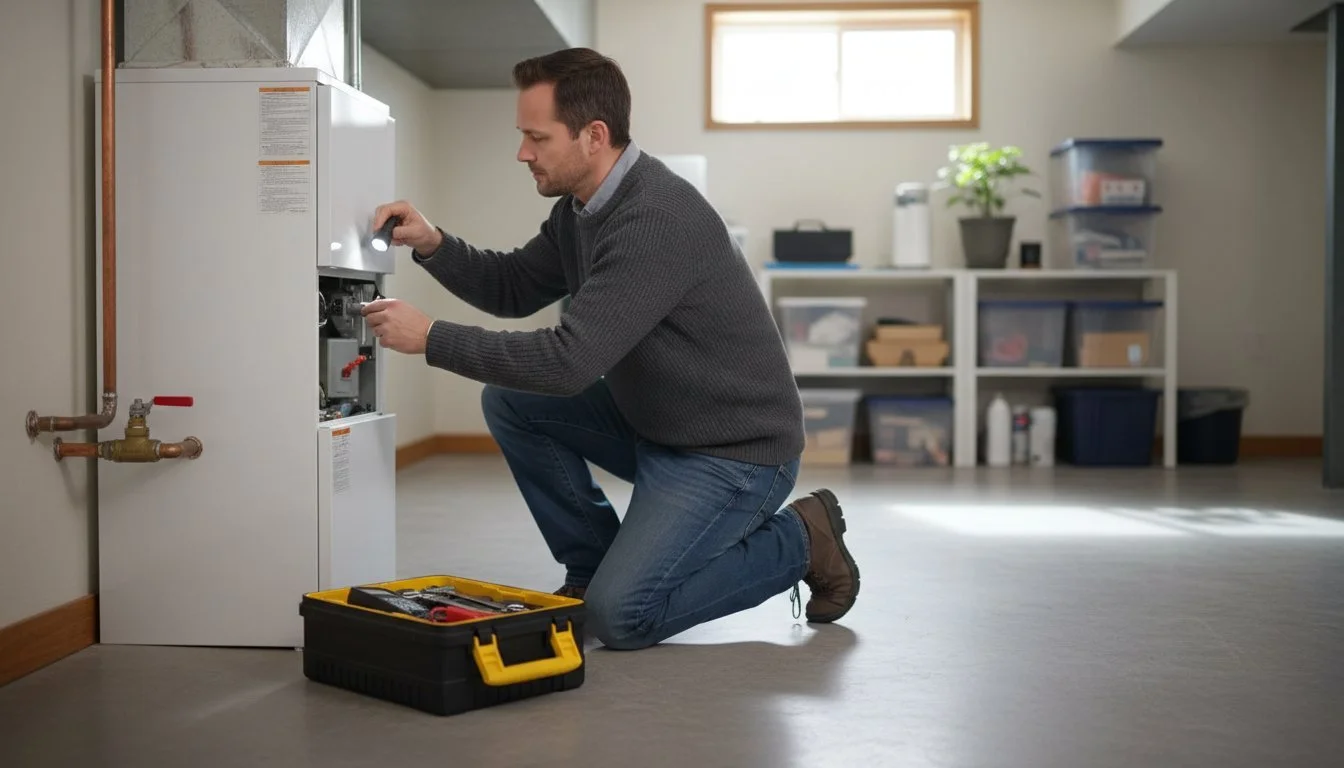
Last Tuesday morning, a homeowner in Champlin woke up to a 54-degree living room and a silent vent. Like many of our neighbors, they immediately began searching for a reliable champlin furnace repair service, fearing a massive bill or a total system replacement. It's a stressful situation that every North Metro resident wants to avoid during a freezing Minnesota winter.
We believe you deserve a warm home and an honest price without the fear of hidden costs or carbon monoxide risks. You likely want to know if your furnace is simply acting up or if its 15 year operational lifespan is finally coming to an end. This localized guide provides the clarity you need to make an informed decision for your family's comfort and safety.
We will walk you through a professional diagnostic checklist to help you identify simple DIY fixes and recognize the warning signs that require a certified technician. You'll gain the confidence to handle minor issues yourself or call for expert help with total transparency. This ensures you get the right solution at a fair price while keeping your Twin Cities home safe and cozy.
Key Takeaways
Spot subtle warning signs caused by Minnesota’s extreme humidity shifts before your heating system fails during a major cold snap.
Follow our DIY troubleshooting guide to safely identify simple fixes or determine when you need a professional champlin furnace repair.
Use our expert framework to decide if repairing your current unit or upgrading makes the most sense for your specific North Metro home.
Learn what to expect during a professional diagnostic visit, from multi-point safety checks to transparent, no-hidden-fee pricing.
See why local families have trusted our neighborhood-focused, family-owned approach to home comfort since 1984.
Recognizing Furnace Warning Signs During a Minnesota Cold Snap
When the temperature drops below zero in the North Metro, your heating system becomes your home's most vital asset. Catching subtle indicators before a total breakdown is essential for reliable champlin furnace repair. Many homeowners ignore a small rattle in October, but that minor vibration often evolves into a 2:00 AM emergency in January when the system runs at 100% capacity. Understanding how a furnace works helps you spot these issues early, saving you from the stress of a freezing house during a polar vortex.
Champlin experiences extreme humidity shifts that directly affect mechanical performance. In the Twin Cities, indoor humidity can drop from 50% in the summer to as low as 15% in the dead of winter. These fluctuations cause dust to become brittle and move more freely through your vents. This debris often coats sensitive flame sensors or clogs ignition ports. If your furnace struggles to light on the first try or requires multiple attempts to stay lit, it's usually a sign that these components need professional attention before the deep freeze arrives.
Strange Noises and What They Mean
Whistling or screeching sounds often point to a failing blower motor belt or bearings that have lost their lubrication. If you hear a loud "boom" during the ignition phase, you shouldn't ignore it. This sound signals a delayed ignition where gas builds up before finally catching fire; this can lead to cracked heat exchangers over time. While ductwork naturally expands and pops as it warms up, any mechanical grinding or metal-on-metal sounds coming from inside the furnace cabinet require an immediate expert inspection to prevent total mechanical failure.
Short-Cycling: Why Your Furnace Won’t Stay On
Short-cycling occurs when your system turns on and off every 3 to 8 minutes without reaching the thermostat's set temperature. This rapid cycling puts immense strain on the motor and can spike your monthly energy bills by as much as 22%. A primary culprit is a dirty flame sensor that fails to detect the burner flame, causing the system to shut down as a safety precaution. Additionally, a clogged air filter restricts airflow, which causes heat to build up inside the unit. This trips the high-limit switch to prevent the furnace from overheating. Keeping these parts clean is a key part of routine champlin furnace repair and preventative maintenance.
The Champlin Homeowner’s DIY Troubleshooting Checklist
Waking up to a cold house in the North Metro is a stressful experience for any family. Before you assume the worst and search for a professional champlin furnace repair, there are several simple diagnostics you can perform yourself. These steps often resolve common heating issues without the need for a service fee, keeping your home warm and your budget intact. However, safety is the top priority. If you smell gas, hear loud metallic banging, or see smoke, stop immediately and call for expert assistance.
Step 1: Check the Power and Thermostat
It sounds simple, but many "broken" furnaces are actually just disconnected from their power source. Locate the furnace power switch, which is usually found on the side of the unit or a nearby wall. This switch looks identical to a standard light switch and can be accidentally flipped off by someone reaching for a light. Next, check your electrical panel for a tripped breaker. If the furnace has power but the thermostat screen is blank, replace the batteries immediately. Most modern units require two AA or AAA batteries to communicate with your HVAC system. Ensure the thermostat is set to "Heat" and the target temperature is at least 5 degrees above the current room level to trigger a cycle.
Step 2: Inspect Air Filters and Vents
Airflow is the lifeblood of your heating system. When a filter becomes clogged with dust and pet dander, the furnace has to work twice as hard to move air, often causing the primary limit switch to trip and shut the system down for safety. Approximately 50% of "no heat" service calls are solved by simply replacing a dirty air filter with a fresh one. After checking the filter, walk through your home to verify that all supply and return vents are open and unobstructed by furniture or rugs. Blocking more than 20% of your home's vents can create backpressure that damages the heat exchanger over time.
Step 3: Resetting the System Safely
If your champlin furnace repair needs persist, you may need to power-cycle the unit. For a modern high-efficiency furnace, turn the power switch to "off," wait exactly 30 seconds, and turn it back on. This allows the integrated control board to clear minor logic errors. Do not attempt to reset the system more than once if it fails to ignite. Most smart furnaces enter a "lockout" mode after 3 failed ignition attempts to prevent unburned gas from accumulating. If your system remains cold after one reset, it is time to seek a trusted repair estimatefrom a local professional who understands the specific needs of Twin Cities HVAC systems.
Furnace Repair: The Complete Homeowner’s Diagnostic Checklist
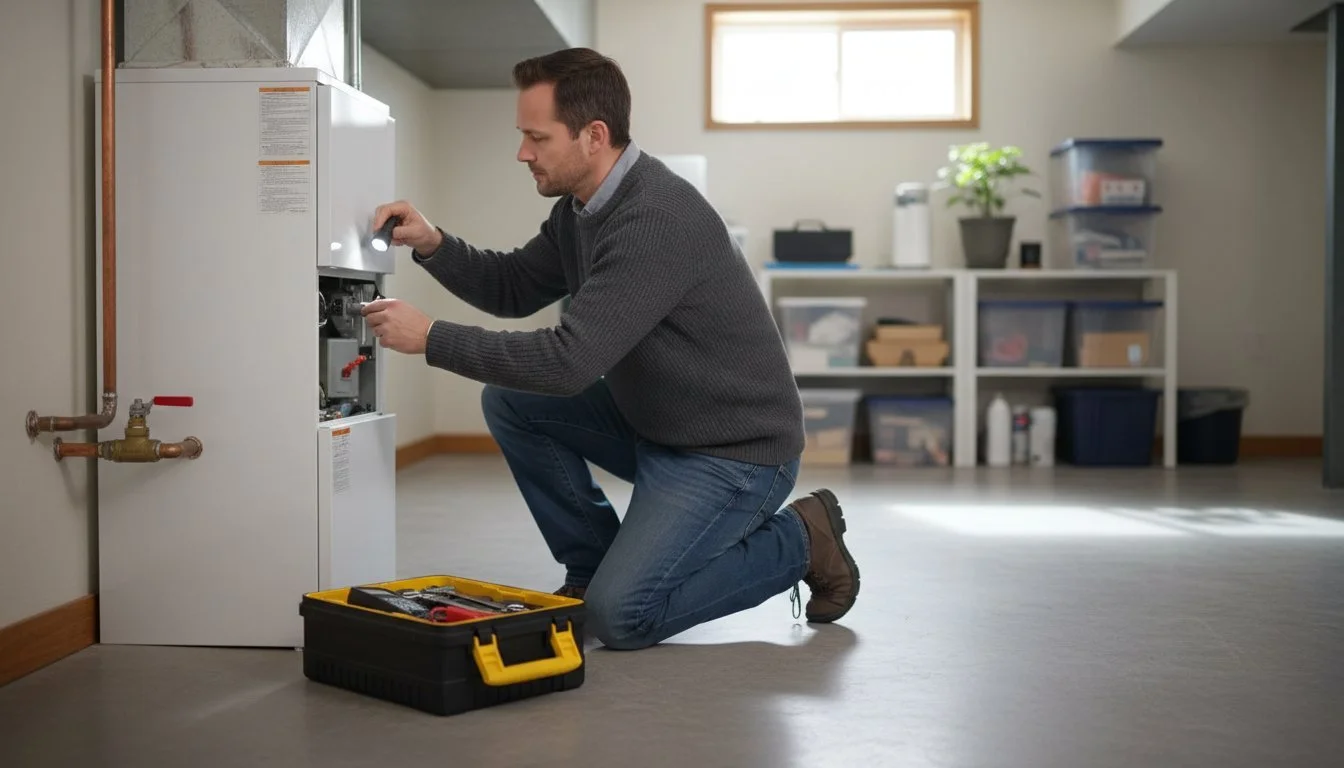
Last Tuesday morning, a homeowner in Champlin woke up to a 54-degree living room and a silent vent. Like many of our neighbors, they immediately began searching for a reliable champlin furnace repair service, fearing a massive bill or a total system replacement. It's a stressful situation that every North Metro resident wants to avoid during a freezing Minnesota winter.
We believe you deserve a warm home and an honest price without the fear of hidden costs or carbon monoxide risks. You likely want to know if your furnace is simply acting up or if its 15 year operational lifespan is finally coming to an end. This localized guide provides the clarity you need to make an informed decision for your family's comfort and safety.
We will walk you through a professional diagnostic checklist to help you identify simple DIY fixes and recognize the warning signs that require a certified technician. You'll gain the confidence to handle minor issues yourself or call for expert help with total transparency. This ensures you get the right solution at a fair price while keeping your Twin Cities home safe and cozy.
Key Takeaways
Spot subtle warning signs caused by Minnesota’s extreme humidity shifts before your heating system fails during a major cold snap.
Follow our DIY troubleshooting guide to safely identify simple fixes or determine when you need a professional champlin furnace repair.
Use our expert framework to decide if repairing your current unit or upgrading makes the most sense for your specific North Metro home.
Learn what to expect during a professional diagnostic visit, from multi-point safety checks to transparent, no-hidden-fee pricing.
See why local families have trusted our neighborhood-focused, family-owned approach to home comfort since 1984.
Recognizing Furnace Warning Signs During a Minnesota Cold Snap
When the temperature drops below zero in the North Metro, your heating system becomes your home's most vital asset. Catching subtle indicators before a total breakdown is essential for reliable champlin furnace repair. Many homeowners ignore a small rattle in October, but that minor vibration often evolves into a 2:00 AM emergency in January when the system runs at 100% capacity. Understanding how a furnace works helps you spot these issues early, saving you from the stress of a freezing house during a polar vortex.
Champlin experiences extreme humidity shifts that directly affect mechanical performance. In the Twin Cities, indoor humidity can drop from 50% in the summer to as low as 15% in the dead of winter. These fluctuations cause dust to become brittle and move more freely through your vents. This debris often coats sensitive flame sensors or clogs ignition ports. If your furnace struggles to light on the first try or requires multiple attempts to stay lit, it's usually a sign that these components need professional attention before the deep freeze arrives.
Strange Noises and What They Mean
Whistling or screeching sounds often point to a failing blower motor belt or bearings that have lost their lubrication. If you hear a loud "boom" during the ignition phase, you shouldn't ignore it. This sound signals a delayed ignition where gas builds up before finally catching fire; this can lead to cracked heat exchangers over time. While ductwork naturally expands and pops as it warms up, any mechanical grinding or metal-on-metal sounds coming from inside the furnace cabinet require an immediate expert inspection to prevent total mechanical failure.
Short-Cycling: Why Your Furnace Won’t Stay On
Short-cycling occurs when your system turns on and off every 3 to 8 minutes without reaching the thermostat's set temperature. This rapid cycling puts immense strain on the motor and can spike your monthly energy bills by as much as 22%. A primary culprit is a dirty flame sensor that fails to detect the burner flame, causing the system to shut down as a safety precaution. Additionally, a clogged air filter restricts airflow, which causes heat to build up inside the unit. This trips the high-limit switch to prevent the furnace from overheating. Keeping these parts clean is a key part of routine champlin furnace repair and preventative maintenance.
The Champlin Homeowner’s DIY Troubleshooting Checklist
Waking up to a cold house in the North Metro is a stressful experience for any family. Before you assume the worst and search for a professional champlin furnace repair, there are several simple diagnostics you can perform yourself. These steps often resolve common heating issues without the need for a service fee, keeping your home warm and your budget intact. However, safety is the top priority. If you smell gas, hear loud metallic banging, or see smoke, stop immediately and call for expert assistance.
Step 1: Check the Power and Thermostat
It sounds simple, but many "broken" furnaces are actually just disconnected from their power source. Locate the furnace power switch, which is usually found on the side of the unit or a nearby wall. This switch looks identical to a standard light switch and can be accidentally flipped off by someone reaching for a light. Next, check your electrical panel for a tripped breaker. If the furnace has power but the thermostat screen is blank, replace the batteries immediately. Most modern units require two AA or AAA batteries to communicate with your HVAC system. Ensure the thermostat is set to "Heat" and the target temperature is at least 5 degrees above the current room level to trigger a cycle.
Step 2: Inspect Air Filters and Vents
Airflow is the lifeblood of your heating system. When a filter becomes clogged with dust and pet dander, the furnace has to work twice as hard to move air, often causing the primary limit switch to trip and shut the system down for safety. Approximately 50% of "no heat" service calls are solved by simply replacing a dirty air filter with a fresh one. After checking the filter, walk through your home to verify that all supply and return vents are open and unobstructed by furniture or rugs. Blocking more than 20% of your home's vents can create backpressure that damages the heat exchanger over time.
Step 3: Resetting the System Safely
If your champlin furnace repair needs persist, you may need to power-cycle the unit. For a modern high-efficiency furnace, turn the power switch to "off," wait exactly 30 seconds, and turn it back on. This allows the integrated control board to clear minor logic errors. Do not attempt to reset the system more than once if it fails to ignite. Most smart furnaces enter a "lockout" mode after 3 failed ignition attempts to prevent unburned gas from accumulating. If your system remains cold after one reset, it is time to seek a trusted repair estimatefrom a local professional who understands the specific needs of Twin Cities HVAC systems.

Fall HVAC Maintenance Tips for MN Homeowners
Quick Answer: How to Prepare Your HVAC System for Fall
In MN, homeowners should transition their thermostat, schedule seasonal tune-ups, clean AC components, test their heating system, and check air filters before winter hits. Doing so keeps your home comfortable, lowers energy bills, and prevents costly repairs.
1. Transitioning Your Thermostat
As the weather cools, switch your thermostat from cooling to heating mode. Set it to 68–70°F for energy efficiency during the day, and lower it slightly at night for even more savings. A smart thermostat can automatically adjust temperatures and reduce energy waste.
2. Seasonal Furnace Tune-Ups
Scheduling a professional tune-up in early fall ensures your furnace is safe, efficient, and ready for the long Minnesota winter. At C & M, we perform a full inspection, clean components, and test system performance so your furnace runs smoothly when you need it most.
3. Final AC Maintenance
Before shutting down your air conditioner, don’t forget end-of-season tasks:
Clean condenser coils
Clear away leaves and summer debris
Cover the outdoor unit if recommended by the manufacturer
This helps extend the lifespan of your AC and prevents damage during snowy months.
4. Indoor Air Quality Matters in Winter
When homes in Coon Rapids get sealed up for the season, indoor air quality can drop. Replace filters regularly to prevent dust, allergens, and pet dander from circulating.
👉 Pro Tip: Change your furnace filter monthly if you have pets, and every 3 months if pet-free. We recommend True Blue filters, available at Menards and other local retailers.
5. Test Your Heating System Early
Don’t wait until the first freezing night to discover a problem. Run your furnace or heat pump on a test cycle in September or October to make sure it’s heating properly. If you notice strange noises, weak airflow, or no heat, schedule service right away.
6. Upgrade to a High-Efficiency Furnace
Considering a replacement? A high-efficiency furnace can save up to 30% on energy bills compared to older models. Even better — CenterPoint Energy is offering rebates up to $1,000 on qualifying high-efficiency furnaces through the end of this year.
This is the perfect time to upgrade if your furnace is 15+ years old, breaking down frequently, or driving up utility bills. C & M can walk you through the best models for your home and handle the full installation process.
Why Choose C & M in Coon Rapids, MN
15+ years of HVAC expertise
Fully licensed and insured technicians
Experience with Minnesota’s extreme weather
Local, trusted service backed by a 100% satisfaction guarantee

The Ultimate Guide to HVAC Maintenance in coon rapids, mn
Keep your home comfortable year-round. Discover expert HVAC maintenance tips, seasonal checklists, and local insights for Coon Rapids homeowners. Click title to read more.
Why HVAC Maintenance Matters in Coon Rapids, MN
Your HVAC system works hard to keep your home comfortable through Coon Rapids’ humid summers and freezing winters. Without regular care, you risk higher energy bills, unexpected breakdowns, and costly repairs.
Quick Answer: Most HVAC systems in Coon Rapids should be serviced twice a year — once in spring and once in fall — to maximize efficiency and lifespan.
Seasonal HVAC Maintenance Checklist
Spring & Summer Prep
Replace air filters every 1–3 months
Clear debris from outdoor condenser unit
Check refrigerant levels
Test thermostat accuracy
Fall & Winter Prep
Inspect ductwork for leaks
Clean and inspect furnace burners
Lubricate moving parts
Check carbon monoxide detectors
Signs Your HVAC Needs Immediate Attention
If you notice any of these issues in your Coon Rapids home, call a professional right away:
Unusual noises or vibrations
Weak airflow from vents
Sudden spikes in your utility bill
📞 Schedule a service call with C & M here →
How Often Should You Change HVAC Filters in Coon Rapids, MN?
Short Answer: Every 1–3 months, more often if you have pets or allergies.
** Changing your filters regularly improves indoor air quality and reduces strain on your system — saving you money over time.
Local Factors That Affect Your HVAC System
In Coon Rapids, seasonal humidity, winter snow, and pollen-heavy springs can shorten your HVAC system’s lifespan. Scheduling biannual tune-ups helps prevent costly breakdowns and ensures year-round comfort.
Cost of HVAC Maintenance in Coon Rapids, MN (2025 Update)
Your HVAC system works hard to keep your Coon Rapids, MN home comfortable through humid summers and freezing winters, but without regular care, you risk higher energy bills, unexpected breakdowns, and costly repairs. Most HVAC systems in Coon Rapids should be serviced twice a year—once in spring and once in fall—to maximize efficiency and lifespan.
Seasonal maintenance includes replacing air filters every 1–3 months, clearing debris from the outdoor condenser unit, checking refrigerant levels, and testing thermostat accuracy before summer, as well as inspecting ductwork for leaks, cleaning furnace burners, lubricating moving parts, and checking carbon monoxide detectors before winter. In our local climate, seasonal humidity, pollen-heavy springs, and harsh snow can shorten the life of your HVAC system, making biannual tune-ups a smart investment. If you notice warm air blowing when cooling mode is on, unusual noises or vibrations, weak airflow, or sudden utility bill spikes, it’s time to call a professional.
On average, HVAC maintenance in Coon Rapids costs $80–$150 for a standard tune-up, $150–$500 for emergency repairs, and $5,000–$12,000 for a full replacement every 10–15 years. Changing filters regularly improves air quality, reduces strain on your system, and may even protect your warranty, as many manufacturers require proof of regular maintenance. With over 15 years of hands-on HVAC experience, C & M’s fully licensed and insured local technicians understand Minnesota’s unique weather challenges and offer seasonal tune-up packages designed for year-round comfort—serving Coon Rapids, Anoka, Andover, Blaine, and surrounding areas.
Tip: Investing in maintenance is far cheaper than paying for emergency repairs during a Minnesota winter.
Frequently Asked Questions (FAQ)
Q: How long does HVAC maintenance take?
A: Most appointments take 60–90 minutes.
Q: Can I do my own HVAC maintenance?
A: You can change filters and clear debris, but professional inspections are essential for safety and efficiency.
Q: Does regular maintenance affect my warranty?
A: Yes — most manufacturers require proof of regular maintenance to keep your warranty valid.
Why Choose C & M for HVAC Maintenance in Coon Rapids, MN
15+ years of hands-on HVAC experience
Fully licensed and insured
Local technicians who understand Minnesota weather challenges
100% satisfaction guarantee
📍 Serving: Coon Rapids, Anoka, Andover, Blaine, and surrounding areas
📞 Call Now: (612) 490-1444