

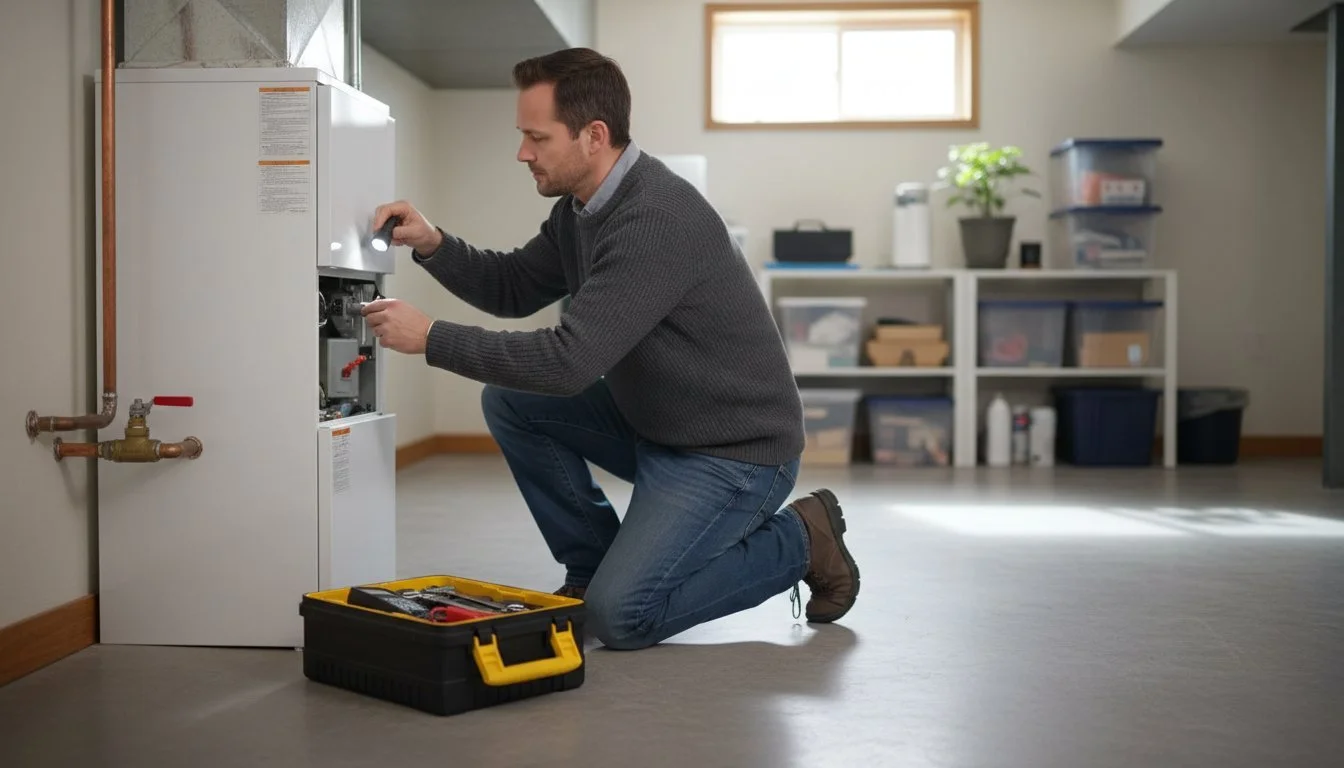
Champlin Furnace Repair: The Complete Homeowner’s Diagnostic Checklist
Last Tuesday morning, a homeowner in Champlin woke up to a 54-degree living room and a silent vent. Like many of our neighbors, they immediately began searching for a reliable champlin furnace repair service, fearing a massive bill or a total system replacement. It's a stressful situation that every North Metro resident wants to avoid during a freezing Minnesota winter.
We believe you deserve a warm home and an honest price without the fear of hidden costs or carbon monoxide risks. You likely want to know if your furnace is simply acting up or if its 15 year operational lifespan is finally coming to an end. This localized guide provides the clarity you need to make an informed decision for your family's comfort and safety.
We will walk you through a professional diagnostic checklist to help you identify simple DIY fixes and recognize the warning signs that require a certified technician. You'll gain the confidence to handle minor issues yourself or call for expert help with total transparency. This ensures you get the right solution at a fair price while keeping your Twin Cities home safe and cozy.
Key Takeaways
Spot subtle warning signs caused by Minnesota’s extreme humidity shifts before your heating system fails during a major cold snap.
Follow our DIY troubleshooting guide to safely identify simple fixes or determine when you need a professional champlin furnace repair.
Use our expert framework to decide if repairing your current unit or upgrading makes the most sense for your specific North Metro home.
Learn what to expect during a professional diagnostic visit, from multi-point safety checks to transparent, no-hidden-fee pricing.
See why local families have trusted our neighborhood-focused, family-owned approach to home comfort since 1984.
Recognizing Furnace Warning Signs During a Minnesota Cold Snap
When the temperature drops below zero in the North Metro, your heating system becomes your home's most vital asset. Catching subtle indicators before a total breakdown is essential for reliable champlin furnace repair. Many homeowners ignore a small rattle in October, but that minor vibration often evolves into a 2:00 AM emergency in January when the system runs at 100% capacity. Understanding how a furnace works helps you spot these issues early, saving you from the stress of a freezing house during a polar vortex.
Champlin experiences extreme humidity shifts that directly affect mechanical performance. In the Twin Cities, indoor humidity can drop from 50% in the summer to as low as 15% in the dead of winter. These fluctuations cause dust to become brittle and move more freely through your vents. This debris often coats sensitive flame sensors or clogs ignition ports. If your furnace struggles to light on the first try or requires multiple attempts to stay lit, it's usually a sign that these components need professional attention before the deep freeze arrives.
Strange Noises and What They Mean
Whistling or screeching sounds often point to a failing blower motor belt or bearings that have lost their lubrication. If you hear a loud "boom" during the ignition phase, you shouldn't ignore it. This sound signals a delayed ignition where gas builds up before finally catching fire; this can lead to cracked heat exchangers over time. While ductwork naturally expands and pops as it warms up, any mechanical grinding or metal-on-metal sounds coming from inside the furnace cabinet require an immediate expert inspection to prevent total mechanical failure.
Short-Cycling: Why Your Furnace Won’t Stay On
Short-cycling occurs when your system turns on and off every 3 to 8 minutes without reaching the thermostat's set temperature. This rapid cycling puts immense strain on the motor and can spike your monthly energy bills by as much as 22%. A primary culprit is a dirty flame sensor that fails to detect the burner flame, causing the system to shut down as a safety precaution. Additionally, a clogged air filter restricts airflow, which causes heat to build up inside the unit. This trips the high-limit switch to prevent the furnace from overheating. Keeping these parts clean is a key part of routine champlin furnace repair and preventative maintenance.
The Champlin Homeowner’s DIY Troubleshooting Checklist
Waking up to a cold house in the North Metro is a stressful experience for any family. Before you assume the worst and search for a professional champlin furnace repair, there are several simple diagnostics you can perform yourself. These steps often resolve common heating issues without the need for a service fee, keeping your home warm and your budget intact. However, safety is the top priority. If you smell gas, hear loud metallic banging, or see smoke, stop immediately and call for expert assistance.
Step 1: Check the Power and Thermostat
It sounds simple, but many "broken" furnaces are actually just disconnected from their power source. Locate the furnace power switch, which is usually found on the side of the unit or a nearby wall. This switch looks identical to a standard light switch and can be accidentally flipped off by someone reaching for a light. Next, check your electrical panel for a tripped breaker. If the furnace has power but the thermostat screen is blank, replace the batteries immediately. Most modern units require two AA or AAA batteries to communicate with your HVAC system. Ensure the thermostat is set to "Heat" and the target temperature is at least 5 degrees above the current room level to trigger a cycle.
Step 2: Inspect Air Filters and Vents
Airflow is the lifeblood of your heating system. When a filter becomes clogged with dust and pet dander, the furnace has to work twice as hard to move air, often causing the primary limit switch to trip and shut the system down for safety. Approximately 50% of "no heat" service calls are solved by simply replacing a dirty air filter with a fresh one. After checking the filter, walk through your home to verify that all supply and return vents are open and unobstructed by furniture or rugs. Blocking more than 20% of your home's vents can create backpressure that damages the heat exchanger over time.
Step 3: Resetting the System Safely
If your champlin furnace repair needs persist, you may need to power-cycle the unit. For a modern high-efficiency furnace, turn the power switch to "off," wait exactly 30 seconds, and turn it back on. This allows the integrated control board to clear minor logic errors. Do not attempt to reset the system more than once if it fails to ignite. Most smart furnaces enter a "lockout" mode after 3 failed ignition attempts to prevent unburned gas from accumulating. If your system remains cold after one reset, it is time to seek a trusted repair estimatefrom a local professional who understands the specific needs of Twin Cities HVAC systems.
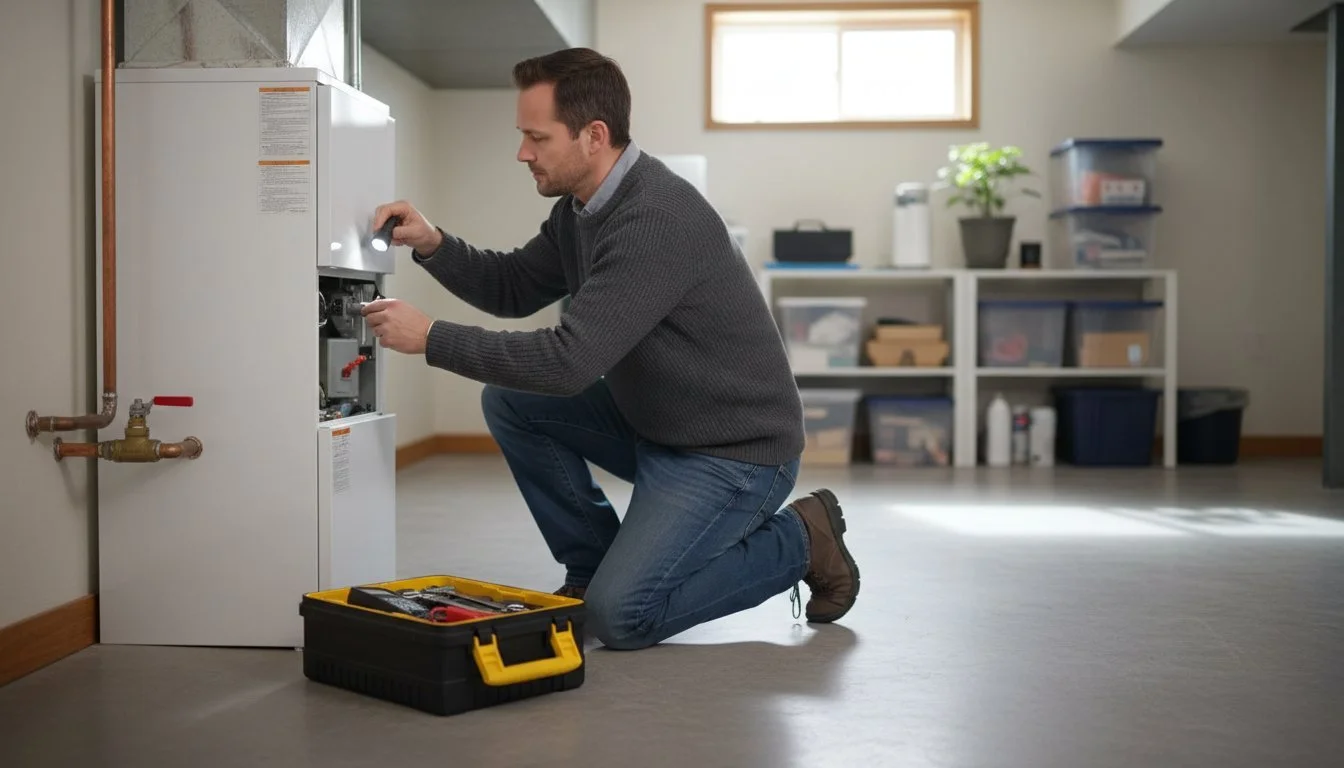
Furnace Repair: The Complete Homeowner’s Diagnostic Checklist
Last Tuesday morning, a homeowner in Champlin woke up to a 54-degree living room and a silent vent. Like many of our neighbors, they immediately began searching for a reliable champlin furnace repair service, fearing a massive bill or a total system replacement. It's a stressful situation that every North Metro resident wants to avoid during a freezing Minnesota winter.
We believe you deserve a warm home and an honest price without the fear of hidden costs or carbon monoxide risks. You likely want to know if your furnace is simply acting up or if its 15 year operational lifespan is finally coming to an end. This localized guide provides the clarity you need to make an informed decision for your family's comfort and safety.
We will walk you through a professional diagnostic checklist to help you identify simple DIY fixes and recognize the warning signs that require a certified technician. You'll gain the confidence to handle minor issues yourself or call for expert help with total transparency. This ensures you get the right solution at a fair price while keeping your Twin Cities home safe and cozy.
Key Takeaways
Spot subtle warning signs caused by Minnesota’s extreme humidity shifts before your heating system fails during a major cold snap.
Follow our DIY troubleshooting guide to safely identify simple fixes or determine when you need a professional champlin furnace repair.
Use our expert framework to decide if repairing your current unit or upgrading makes the most sense for your specific North Metro home.
Learn what to expect during a professional diagnostic visit, from multi-point safety checks to transparent, no-hidden-fee pricing.
See why local families have trusted our neighborhood-focused, family-owned approach to home comfort since 1984.
Recognizing Furnace Warning Signs During a Minnesota Cold Snap
When the temperature drops below zero in the North Metro, your heating system becomes your home's most vital asset. Catching subtle indicators before a total breakdown is essential for reliable champlin furnace repair. Many homeowners ignore a small rattle in October, but that minor vibration often evolves into a 2:00 AM emergency in January when the system runs at 100% capacity. Understanding how a furnace works helps you spot these issues early, saving you from the stress of a freezing house during a polar vortex.
Champlin experiences extreme humidity shifts that directly affect mechanical performance. In the Twin Cities, indoor humidity can drop from 50% in the summer to as low as 15% in the dead of winter. These fluctuations cause dust to become brittle and move more freely through your vents. This debris often coats sensitive flame sensors or clogs ignition ports. If your furnace struggles to light on the first try or requires multiple attempts to stay lit, it's usually a sign that these components need professional attention before the deep freeze arrives.
Strange Noises and What They Mean
Whistling or screeching sounds often point to a failing blower motor belt or bearings that have lost their lubrication. If you hear a loud "boom" during the ignition phase, you shouldn't ignore it. This sound signals a delayed ignition where gas builds up before finally catching fire; this can lead to cracked heat exchangers over time. While ductwork naturally expands and pops as it warms up, any mechanical grinding or metal-on-metal sounds coming from inside the furnace cabinet require an immediate expert inspection to prevent total mechanical failure.
Short-Cycling: Why Your Furnace Won’t Stay On
Short-cycling occurs when your system turns on and off every 3 to 8 minutes without reaching the thermostat's set temperature. This rapid cycling puts immense strain on the motor and can spike your monthly energy bills by as much as 22%. A primary culprit is a dirty flame sensor that fails to detect the burner flame, causing the system to shut down as a safety precaution. Additionally, a clogged air filter restricts airflow, which causes heat to build up inside the unit. This trips the high-limit switch to prevent the furnace from overheating. Keeping these parts clean is a key part of routine champlin furnace repair and preventative maintenance.
The Champlin Homeowner’s DIY Troubleshooting Checklist
Waking up to a cold house in the North Metro is a stressful experience for any family. Before you assume the worst and search for a professional champlin furnace repair, there are several simple diagnostics you can perform yourself. These steps often resolve common heating issues without the need for a service fee, keeping your home warm and your budget intact. However, safety is the top priority. If you smell gas, hear loud metallic banging, or see smoke, stop immediately and call for expert assistance.
Step 1: Check the Power and Thermostat
It sounds simple, but many "broken" furnaces are actually just disconnected from their power source. Locate the furnace power switch, which is usually found on the side of the unit or a nearby wall. This switch looks identical to a standard light switch and can be accidentally flipped off by someone reaching for a light. Next, check your electrical panel for a tripped breaker. If the furnace has power but the thermostat screen is blank, replace the batteries immediately. Most modern units require two AA or AAA batteries to communicate with your HVAC system. Ensure the thermostat is set to "Heat" and the target temperature is at least 5 degrees above the current room level to trigger a cycle.
Step 2: Inspect Air Filters and Vents
Airflow is the lifeblood of your heating system. When a filter becomes clogged with dust and pet dander, the furnace has to work twice as hard to move air, often causing the primary limit switch to trip and shut the system down for safety. Approximately 50% of "no heat" service calls are solved by simply replacing a dirty air filter with a fresh one. After checking the filter, walk through your home to verify that all supply and return vents are open and unobstructed by furniture or rugs. Blocking more than 20% of your home's vents can create backpressure that damages the heat exchanger over time.
Step 3: Resetting the System Safely
If your champlin furnace repair needs persist, you may need to power-cycle the unit. For a modern high-efficiency furnace, turn the power switch to "off," wait exactly 30 seconds, and turn it back on. This allows the integrated control board to clear minor logic errors. Do not attempt to reset the system more than once if it fails to ignite. Most smart furnaces enter a "lockout" mode after 3 failed ignition attempts to prevent unburned gas from accumulating. If your system remains cold after one reset, it is time to seek a trusted repair estimatefrom a local professional who understands the specific needs of Twin Cities HVAC systems.

Fall HVAC Maintenance Tips for MN Homeowners
Quick Answer: How to Prepare Your HVAC System for Fall
In MN, homeowners should transition their thermostat, schedule seasonal tune-ups, clean AC components, test their heating system, and check air filters before winter hits. Doing so keeps your home comfortable, lowers energy bills, and prevents costly repairs.
1. Transitioning Your Thermostat
As the weather cools, switch your thermostat from cooling to heating mode. Set it to 68–70°F for energy efficiency during the day, and lower it slightly at night for even more savings. A smart thermostat can automatically adjust temperatures and reduce energy waste.
2. Seasonal Furnace Tune-Ups
Scheduling a professional tune-up in early fall ensures your furnace is safe, efficient, and ready for the long Minnesota winter. At C & M, we perform a full inspection, clean components, and test system performance so your furnace runs smoothly when you need it most.
3. Final AC Maintenance
Before shutting down your air conditioner, don’t forget end-of-season tasks:
Clean condenser coils
Clear away leaves and summer debris
Cover the outdoor unit if recommended by the manufacturer
This helps extend the lifespan of your AC and prevents damage during snowy months.
4. Indoor Air Quality Matters in Winter
When homes in Coon Rapids get sealed up for the season, indoor air quality can drop. Replace filters regularly to prevent dust, allergens, and pet dander from circulating.
👉 Pro Tip: Change your furnace filter monthly if you have pets, and every 3 months if pet-free. We recommend True Blue filters, available at Menards and other local retailers.
5. Test Your Heating System Early
Don’t wait until the first freezing night to discover a problem. Run your furnace or heat pump on a test cycle in September or October to make sure it’s heating properly. If you notice strange noises, weak airflow, or no heat, schedule service right away.
6. Upgrade to a High-Efficiency Furnace
Considering a replacement? A high-efficiency furnace can save up to 30% on energy bills compared to older models. Even better — CenterPoint Energy is offering rebates up to $1,000 on qualifying high-efficiency furnaces through the end of this year.
This is the perfect time to upgrade if your furnace is 15+ years old, breaking down frequently, or driving up utility bills. C & M can walk you through the best models for your home and handle the full installation process.
Why Choose C & M in Coon Rapids, MN
15+ years of HVAC expertise
Fully licensed and insured technicians
Experience with Minnesota’s extreme weather
Local, trusted service backed by a 100% satisfaction guarantee

The Ultimate Guide to HVAC Maintenance in coon rapids, mn
Keep your home comfortable year-round. Discover expert HVAC maintenance tips, seasonal checklists, and local insights for Coon Rapids homeowners. Click title to read more.
Why HVAC Maintenance Matters in Coon Rapids, MN
Your HVAC system works hard to keep your home comfortable through Coon Rapids’ humid summers and freezing winters. Without regular care, you risk higher energy bills, unexpected breakdowns, and costly repairs.
Quick Answer: Most HVAC systems in Coon Rapids should be serviced twice a year — once in spring and once in fall — to maximize efficiency and lifespan.
Seasonal HVAC Maintenance Checklist
Spring & Summer Prep
Replace air filters every 1–3 months
Clear debris from outdoor condenser unit
Check refrigerant levels
Test thermostat accuracy
Fall & Winter Prep
Inspect ductwork for leaks
Clean and inspect furnace burners
Lubricate moving parts
Check carbon monoxide detectors
Signs Your HVAC Needs Immediate Attention
If you notice any of these issues in your Coon Rapids home, call a professional right away:
Unusual noises or vibrations
Weak airflow from vents
Sudden spikes in your utility bill
📞 Schedule a service call with C & M here →
How Often Should You Change HVAC Filters in Coon Rapids, MN?
Short Answer: Every 1–3 months, more often if you have pets or allergies.
** Changing your filters regularly improves indoor air quality and reduces strain on your system — saving you money over time.
Local Factors That Affect Your HVAC System
In Coon Rapids, seasonal humidity, winter snow, and pollen-heavy springs can shorten your HVAC system’s lifespan. Scheduling biannual tune-ups helps prevent costly breakdowns and ensures year-round comfort.
Cost of HVAC Maintenance in Coon Rapids, MN (2025 Update)
Your HVAC system works hard to keep your Coon Rapids, MN home comfortable through humid summers and freezing winters, but without regular care, you risk higher energy bills, unexpected breakdowns, and costly repairs. Most HVAC systems in Coon Rapids should be serviced twice a year—once in spring and once in fall—to maximize efficiency and lifespan.
Seasonal maintenance includes replacing air filters every 1–3 months, clearing debris from the outdoor condenser unit, checking refrigerant levels, and testing thermostat accuracy before summer, as well as inspecting ductwork for leaks, cleaning furnace burners, lubricating moving parts, and checking carbon monoxide detectors before winter. In our local climate, seasonal humidity, pollen-heavy springs, and harsh snow can shorten the life of your HVAC system, making biannual tune-ups a smart investment. If you notice warm air blowing when cooling mode is on, unusual noises or vibrations, weak airflow, or sudden utility bill spikes, it’s time to call a professional.
On average, HVAC maintenance in Coon Rapids costs $80–$150 for a standard tune-up, $150–$500 for emergency repairs, and $5,000–$12,000 for a full replacement every 10–15 years. Changing filters regularly improves air quality, reduces strain on your system, and may even protect your warranty, as many manufacturers require proof of regular maintenance. With over 15 years of hands-on HVAC experience, C & M’s fully licensed and insured local technicians understand Minnesota’s unique weather challenges and offer seasonal tune-up packages designed for year-round comfort—serving Coon Rapids, Anoka, Andover, Blaine, and surrounding areas.
Tip: Investing in maintenance is far cheaper than paying for emergency repairs during a Minnesota winter.
Frequently Asked Questions (FAQ)
Q: How long does HVAC maintenance take?
A: Most appointments take 60–90 minutes.
Q: Can I do my own HVAC maintenance?
A: You can change filters and clear debris, but professional inspections are essential for safety and efficiency.
Q: Does regular maintenance affect my warranty?
A: Yes — most manufacturers require proof of regular maintenance to keep your warranty valid.
Why Choose C & M for HVAC Maintenance in Coon Rapids, MN
15+ years of hands-on HVAC experience
Fully licensed and insured
Local technicians who understand Minnesota weather challenges
100% satisfaction guarantee
📍 Serving: Coon Rapids, Anoka, Andover, Blaine, and surrounding areas
📞 Call Now: (612) 490-1444